
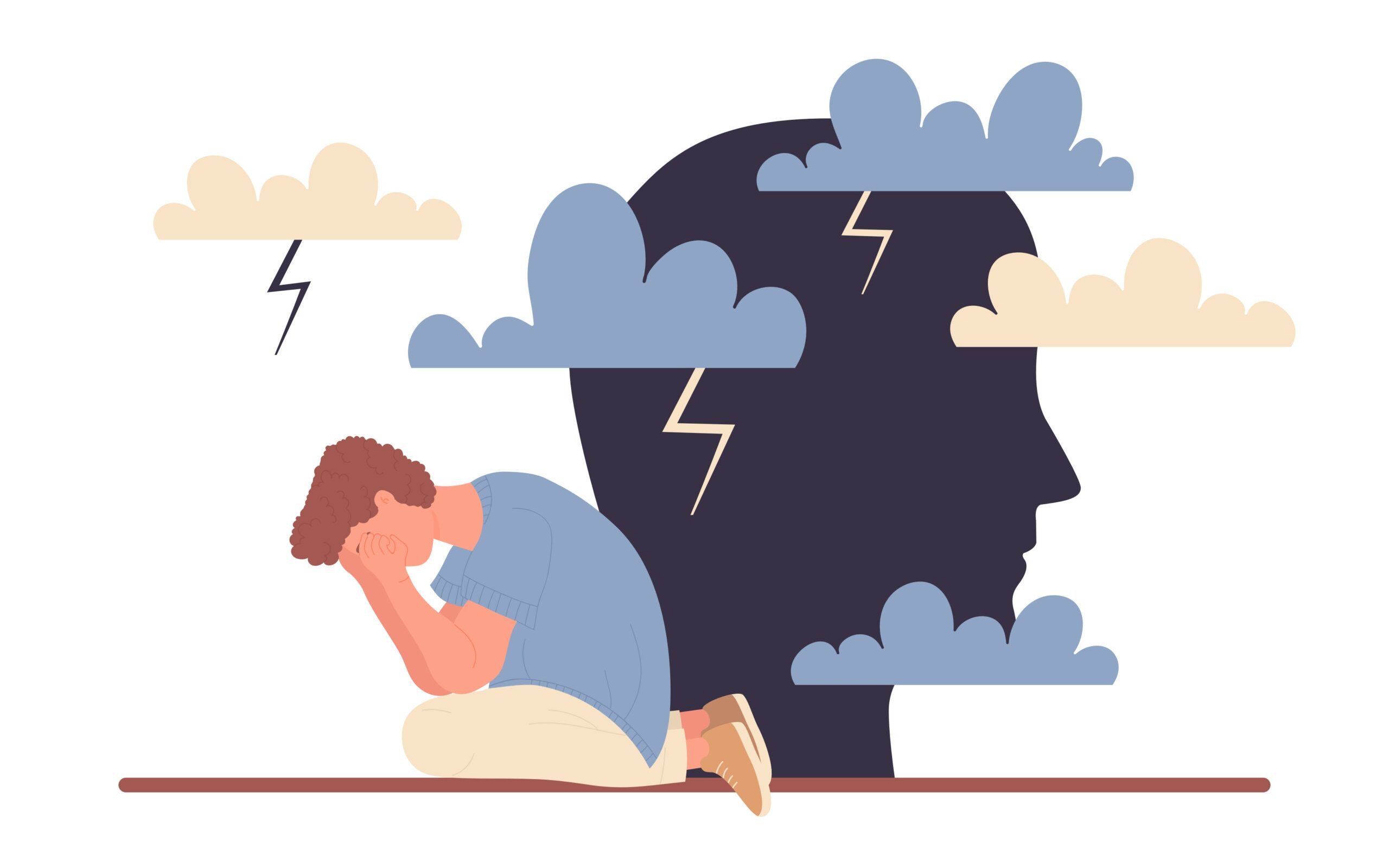
Do you sometimes feel embarrassed, ashamed, and exposed after sharing your deepest insecurities and emotions with your therapist? If so, try not to worry, this can be a sign that your therapy is really working.
Picture this: you’re enjoying a nice warm drink after a therapy session, and the feeling of relief is palpable. It felt good to offload your deepest, scariest thoughts and fears. But just hours later, a gut-wrenching dread is creeping in. Suddenly you don’t feel quite so relieved. You feel vulnerable and exposed, ashamed of having shared so much. What if my therapist was secretly judging me, you might wonder? What if I was wrong to get things off my chest? How will I ever go back to face them?
This is known as a vulnerability hangover, a term coined by vulnerability researcher Brené Brown. It’s used to describe the embarrassment, shame, and exposure we experience when we feel we’ve been too open about our thoughts and feelings. It can happen when you worry that you’ve divulged too much to a friend, family member, or colleague, but you might experience it most acutely in therapy. Though it’s a safe space, therapy is often where we get candid. It’s a place where we divulge our innermost thoughts, insecurities, and fears. And when you aren’t used to sharing so openly, it’s normal to encounter regret sometimes.
The power of vulnerability: if you’ve ever found yourself cringing post-therapy session, don’t panic, this feeling is actually very common, and happens because therapy is the space to share – something we actively try not to do in our everyday lives. Therapy involves delving into some deep realisations, personal experiences, and emotions, so it can leave us feeling exposed and emotionally raw. Experiencing vulnerability during or after a session usually means you’ve touched on something significant and meaningful. It signals growth, progression, and the start of deeper self-awareness. Chances are you feel vulnerable because you’ve just exposed something you normally keep hidden and saying it out loud can be the first step towards change, a sign that you’re confronting difficult emotions instead of avoiding them. This will encourage self-reflection, which is where you gain insights into how to move forward.
A judgement-free zone: even with this knowledge, it can be difficult to get over the feeling that you’re being judged. And in some cases, this feeling can be so intense that it prevents you from continuing your therapy journey. But, we therapists are trained, and we have natural compassion and understanding – it’s often why we’re drawn to the profession in the first place. Also, we’re bound by strict codes of confidentiality and ethical standards as members of the BACP, so rest assured, anything you have shared won’t go any further.
Finding relief: if you find yourself in the depths of a vulnerability hangover, you might be wondering how to move through the discomfort. Firstly, call on self-compassion. It’s OK to feel vulnerable and uncomfortable, and you are brave for confronting difficult emotions. Next, engage in grounding techniques (for example, focusing on your breathing for several minutes, or using sensory tools like holding a comfortable object/fidget toy to centre yourself, making a delicious a warm drink, or writing about your feelings – in a journal/on your phone or laptop, or do some nurturing self-care activities – enjoy a warm bath/listen to soothing music/go for a long walk).
Leaning into discomfort: these strategies can provide some relief from the uncomfortable feeling of exposure, but you might find you’re still worried about attending your next therapy session. The really good news about opening up in therapy is that it gets easier the more you do it. Increased openness in therapy can lead to better insights, a stronger therapeutic relationship, and more profound personal growth, so don’t give up. Gradually exposing yourself to vulnerability and acknowledging difficult emotions means you can get more comfortable with discomfort over time and begin to realise that it’s not as scary as you first thought, and, the tools and techniques you learn along the way will serve you well in the future. So, if you’re feeling nervous about your next therapy session, lean into your emotions, notice and acknowledge them, without judgement. Observe them and be curious about them and the underlying causes. It’s a good idea to set intentions, too. Before each session, reflect on what you hope to gain from being vulnerable. Your goal could be something as simple as challenging perfectionism and acknowledging that vulnerability is a normal human emotion. Whatever your intentions, it’s important to trust in the therapeutic process.
Recognise and celebrate your courage in being vulnerable: it takes bravery to keep showing up for yourself. Each step forward, no matter how small, is significant on your personal journey. As a therapist, I’m there to hold your hand at the beginning and let go when we know you can fly. The discomfort is a sign of progress, an indication that you’re getting the most out of your therapy. You’re doing the work of healing and discovering things about yourself, and that can be triggering, but trust that it is part of the journey.