
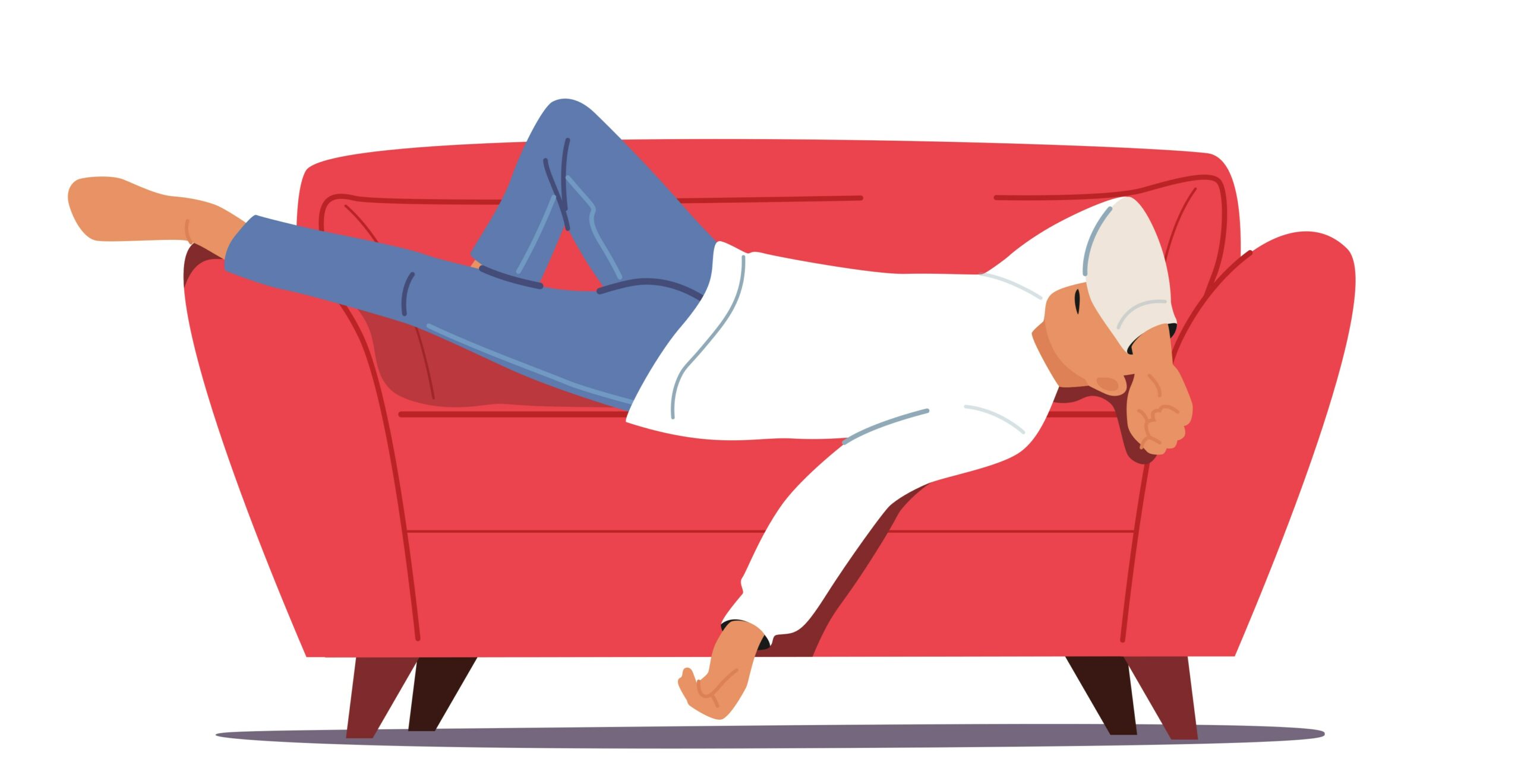
When our brain believes that our life is under threat, it responds incredibly quickly. So quickly that we can’t stop our threat response (fight/flight/freeze) being triggered. At this point our limbic system (our mammalian brain, from an evolutionary perspective the second layer to have developed, and the second layer that formed when we were growing in our mother’s womb) seizes executive control from our cortex (the logical “up there for thinking” third layer of our brain, the final layer to have developed, and the last layer that formed) and we’re then guided by animal instinct, not logical thinking, to survive as best we can. Our limbic system would always prefer us to escape (flight) at this point if that’s at all possible as that means less chance of us getting hurt (the best survival tactic). If flight is not an option, maybe there’s no time to escape or no way out, then our brain’s next best option is to fight. But if fight is not an option either, maybe the odds are overwhelming or we’re too exhausted, then our brain’s final option is collapse (freeze). To achieve this last-ditch attempt at survival, our limbic system initiates a lightning-fast chain reaction of physical changes throughout our body (changing our stance, slowing down our heart and breathing rates, and suspending digestive and reproductive systems). All this is achieved by a raft of specialist stress hormones that the limbic system despatches throughout the body. In extreme cases we can temporarily lose consciousness.
If all of this happens because we need to face an obvious physical threat (stressor), and we collapse but survive (e.g. pulled out of a burning building or a crashed vehicle), we will probably feel much better once we get to safety. At this point we are back in homeostatic balance (rest and digest). We can start producing happy chemicals (rest and digest hormones such as endorphins that numb pain and lift our mood) and will be able to once again think logically (our limbic system will give executive control back to our cortex) and get back to the important business of day-to-day life, effective digestion and reproduction: work, rest and play.
However, in our modern lives this rarely happens. When the stressors we encounter are not physical but perceived psychologically (for example, the fear of being judged as different, or incompetent, or wrong somehow, which might lead to rejection and isolation, in our relationship, in our family, socially, at work, or in our community) we are very unlikely to lose consciousness, but if the situation is chronic, we are likely to end up feeling overwhelmed by the physical effects on our bodies and brains of all those stress hormones. At best this can feel like low energy/mood, a lack of motivation to socialise or connect with family and friends, at worst it can feel like the depths of despair (depressed, numb, and experiencing suicidal ideation and the urge to self-harm). And sadly, with psychologically perceived stressors there is less likely to be a clear end to the “threat” so we can end up either stuck in freeze for lengthy periods of time (always down and struggling, which is exhausting) or cycling back and forth between fight, flight and freeze (experiencing stress, anxiety and panic, unpredictable bouts of explosive anger/rage, interspersed with periods of depression).
Our threat response evolved for short term crisis management and is not sustainable long term without serious adverse health consequences. Ongoing exposure to too many stress hormones as well as a lack of rest and digest hormones are likely to lead to poor digestion, reproductive problems, a low functioning immune system (and in chronic cases autoimmune conditions), poor sleep, fatigue, pain, negative thought patterns (and ultimately paranoia), low mood and motivation. All these challenges can make relationships and work feel overwhelming and unmanageable.
In therapy I provide neuroscience psychoeducation so that my clients can fully understand what’s going on and why, that their bodies and brains are reacting in biologically correct and predictable ways: they are not broken, their feelings are entirely valid. I then teach them how to notice that their threat response has been triggered and what kind of people/situations/places/relational dynamics tend to cause that (different for each of us). Then we focus on the skills, tools and tactics needed to find their way to rest and digest, as soon as possible, so that they can think straight and feel comfortable, both physically and emotionally. We also spend time considering new choices about developing healthy habits (physical, emotional and cognitive) which will help to ensure that their threat response is less sensitive (less easily triggered, less often).
The combination of gaining new perspectives about what’s going on and why, making new choices about what to do about the things you want to change, developing new skills and healthy habits, and feeling the benefits of those can lead to a real sense of freedom and agency, which is so important for our wellbeing: depression does not have to rule your life.
You can find out more about my therapy and fees here https://www.theexetercounsellor.com/how-it-works/ and options for contacting me here https://www.theexetercounsellor.com/contact-me/.