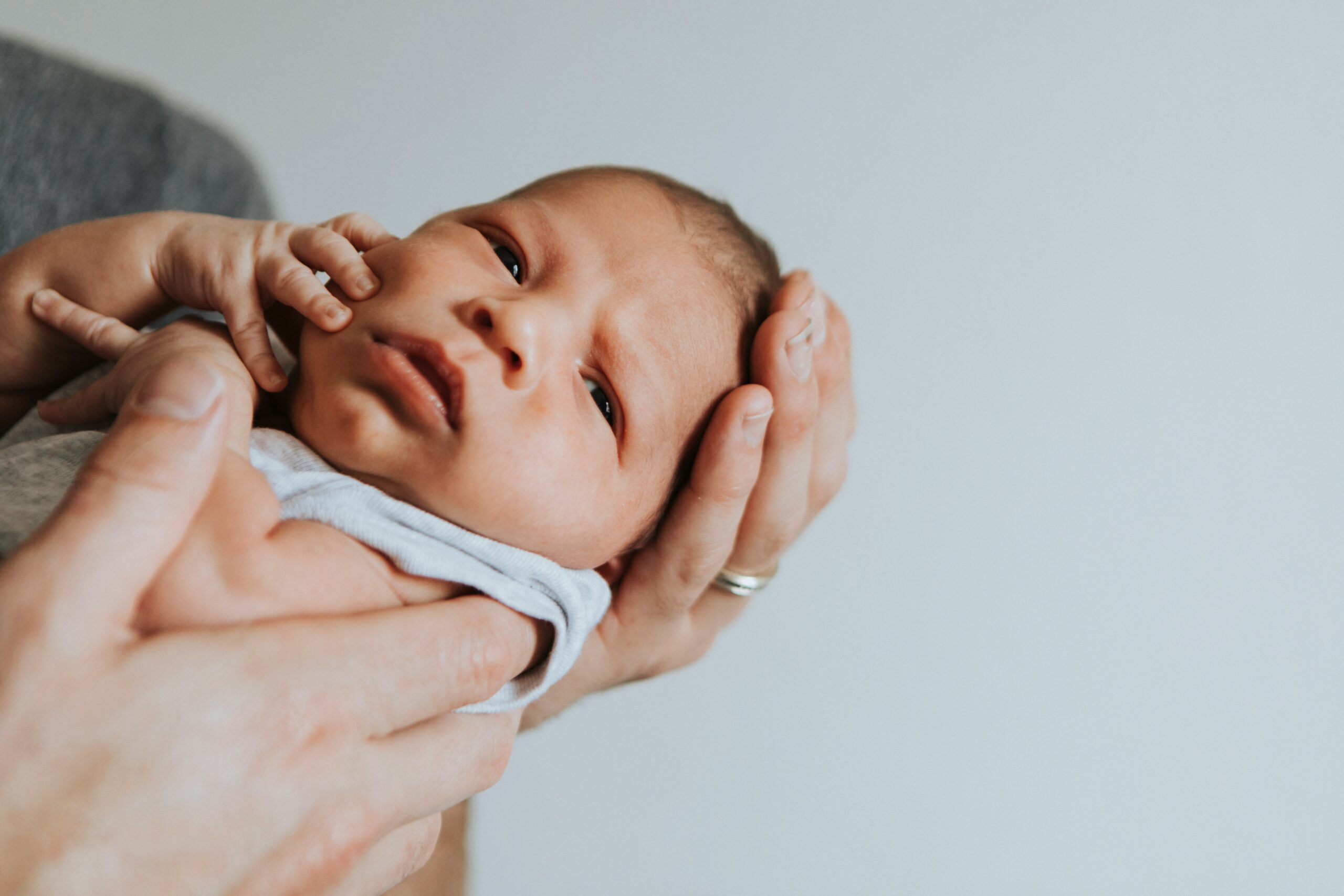
Children whose parents are reliable sources of comfort and strength have a lifetime advantage, a kind of buffer against the worst that fate can hand them. Children are programmed to choose one particular adult with whom their natural communication system develops. This creates a primary attachment bond. The more responsive the adult is to the child, the deeper the attachment and the more likely the child will develop healthy ways of responding to the people around them. This attachment is the secure base that promotes self-reliance and instils a sense of sympathy and helpfulness to others in distress. From it, children learn that other people have feelings and thoughts that are both similar to and different from theirs.
Children become attached to whoever functions as their primary caregiver. But the nature of that attachment, whether it is secure or insecure, makes a huge difference over the course of a child’s life. Securely attached children learn what makes them and others feel good and bad; they acquire a sense that their actions can change how they feel and how others respond. They learn the difference between situations they can control and situations where they need help and that they can play an active role when faced with difficult situations. In contrast, children with histories of abuse and neglect learn that their terror, pleading, and crying do not register with their caregiver. Things can go wrong when mothers are unable to tune in to their baby’s physical reality: the baby learns to become the mother’s idea of what the baby is. Having to discount its inner sensations, and trying to adjust to its caregiver’s needs, means the child perceives that something is wrong with the way it is.
Most children are securely attached. When they grow up, their history of reliable, responsive caregiving will help to keep fear and anxiety at bay. Barring exposure to some overwhelming trauma that breaks down their self-regulatory system, they will maintain a fundamental state of emotional security throughout their lives. Securely attached children become pleasant playmates and have lots of friends. Having learned to be in tune with other people, they tend to notice subtle changes in voices and faces and to adjust their behaviour accordingly.
Children whose mother is unresponsive or rejecting learn to deal with their anxiety in two distinct ways: some get chronically upset and demanding, while others are more passive and withdrawn. These three “organised” attachment strategies (secure, avoidant, and anxious) work because they elicit the best care that their caregiver can provide. Unfortunately, that does not mean that there are no problems as attachment patterns often persist into adulthood.
There is another group that is less stably adapted as they are unable to figure out how to engage with their caregivers as the caregivers themselves are a source of distress or terror. Children suffering from “disorganised” attachment are faced with an unsolvable dilemma: their caregivers are simultaneously necessary for survival and a source of fear. Parental abuse is not the only cause of disorganised attachment: parents who are preoccupied with their own trauma, such as domestic abuse or the recent death of a parent or sibling, may also be too emotionally unstable and inconsistent to offer adequate comfort and protection. Disorganised attachment can manifest in two different ways. Some mothers who seem to be too preoccupied with their own issues to attend to their infants can be intrusive, hostile and rejecting. Others seem helpless and fearful, often coming across as sweet or fragile, but they don’t know how to be the adult in the relationship and seem to want their children to comfort them.
In therapy I do not tell my clients that they should not feel the way they do or that they should see the world in a more positive, flexible way. My responsibility goes much deeper: I must help them reconstruct their inner map of the world. If you were abused or neglected as a child and you struggle with many challenges in your adult life, you may have received a serious mental health diagnosis or diagnoses, one of which may be Attachment Disorder. You are likely to have been challenged by anxiety, anger, and depression at the very least, but you can still learn the beauty of intimacy and mutual trust in attuned relationships, starting with the therapeutic relationship with me.
You can find out more about attachment theory here https://www.theexetercounsellor.com/attachment-theory/.
You can find out more about my therapy and fees here https://www.theexetercounsellor.com/how-it-works/ and options for contacting me here https://www.theexetercounsellor.com/contact-me/.