
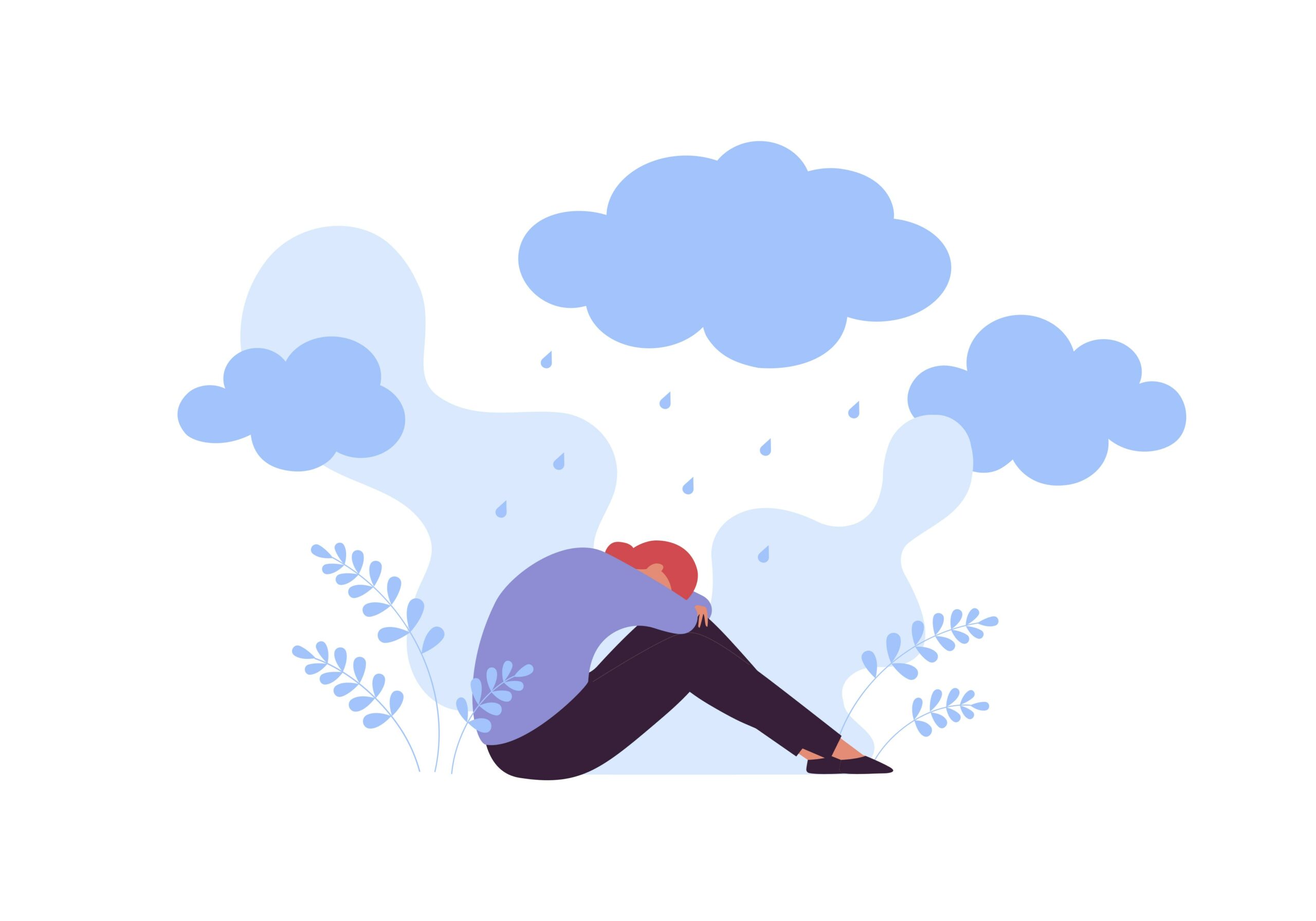
Feelings of sadness and/or loneliness can be very distressing, but they are importantly alerting us to the fact that we feel disconnected, isolated, which indicates a primal threat to our very survival and therefore triggers our threat response (fight/flight/freeze). We now know that anxiety and depression have three kinds of causes – biological, psychological, and social – and are not the result of a chemical imbalance in the brain. Sufferers are not machines with broken parts, rather animals whose needs are not being met, who have become disconnected in many ways. Manifestations of distress are not “symptoms of mental illness”, they are necessary signals, our bodies trying to get our attention in the hope that we will get some help, understand then end our distress and find our way toward a more fulfilling life and back to feeling connected. We can try to muffle the signals, but the pain will persist. Or, we can listen to the signals and let them guide us – away from things that are hurting and draining us, and toward the things that will meet our true needs for reconnection: to other people, to support services like counselling, to meaningful work, to meaningful values, to sympathetic joy, to acknowledging and overcoming childhood trauma.
In therapy I provide neuroscience psychoeducation so that my clients can fully understand what’s going on and why, that their bodies and brains are reacting in biologically correct and predictable ways: they are not broken, their feelings are entirely valid. I then teach them how to notice that their threat response has been triggered and what kind of people/situations/places/relational dynamics tend to cause that (different for each of us). Then we focus on the skills, tools and tactics needed to find their way to rest and digest, as soon as possible, so that they can think straight and feel comfortable, both physically and emotionally. We also spend time considering new choices about developing healthy habits (physical, emotional and cognitive) which will help to ensure that their threat response is less sensitive (less easily triggered, less often). I also invite them to tell me their story, when they’re ready, to consider their childhood experiences and everything that has happened to them since then, good and bad, to help to make sense of why they may feel and interact the way they do.
The combination of gaining new perspectives about what’s going on and why, making new choices about what to do about the things you want to change, developing new skills and healthy habits, and feeling the benefits of those can lead to a real sense of freedom and agency, which is so important for our wellbeing: it’s possible to discover self-compassion, let go of isolation, embrace connection and feel better.
You can find out more about my therapy and fees here https://www.theexetercounsellor.com/how-it-works/ and options for contacting me here https://www.theexetercounsellor.com/contact-me/.